

The ocean covers more than 70% of the planet and is fundamental to the systems on which economies and communities depend, from regulating the atmosphere to supporting food systems, livelihoods and culture. Yet SDG 14: Life Below Water remains one of the least funded Sustainable Development Goals. For much of the world, the ocean can feel distant from everyday life. That disconnect raises a central question: how does what people understand and value influence what societies, and ultimately governments, businesses and investors, choose to fund?
This New York Climate Week, Susan Boster, Founder and CEO of Boster Group, Cristina Mittermeier, National Geographic photographer and Co-Founder of SeaLegacy, Shyla Raghav, Strategic Advisor and most recently Chief Climate Officer at TIME, and Adam Wolfensohn, Co-Managing Partner of Encourage Capital, convened leaders from across conservation, philanthropy, policy, sustainable finance, business and the arts for a closed-door roundtable at Rockefeller Center. Following opening remarks by Peter Seligmann, Co-Founder of Conservation International and Founder of Nia Tero, the discussion explored a central premise: closing the funding gap for ocean conservation is as much a cultural challenge as a financial one.
Against the wider backdrop of Climate Week, the group explored two connected questions: what needs to change in how people see and value the ocean, and what would allow significantly more capital to flow towards its protection?
Three key themes emerged from the discussion.
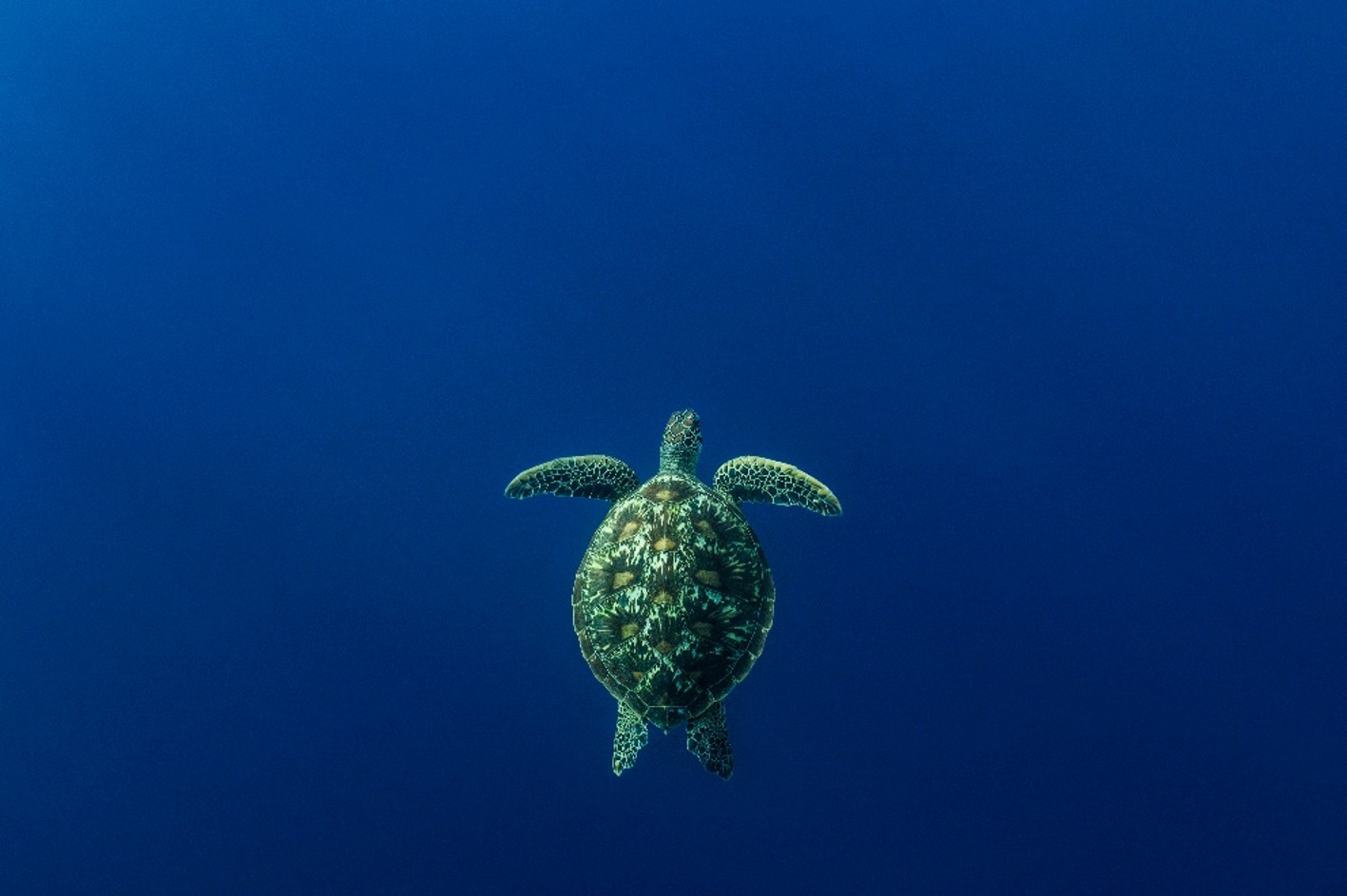
The scale of the ocean is part of the challenge. It can feel vast, remote and abstract, while much of the language surrounding its decline reinforces that distance.
Storytelling can help make the ocean feel less remote by creating a more immediate, human connection. Participants discussed the role of curiosity, beauty and human experience in drawing people in. One participant described building an audience around an “invitation to adventure and curiosity”, using photography to introduce people to a world they might otherwise never encounter.
Another reflected on the experience of bringing climate negotiations to the stage through a theatrical production. By placing audiences inside the process of people from different countries negotiating competing interests and finding a way forward, the production made a complex political process feel more immediate, human and less insurmountable. Storytelling can create connection by giving audiences a way into issues that might otherwise feel distant or abstract.
One participant described studying Chanel and Nike to understand how brands create aspiration, identity and belonging, then applying those principles to coral conservation. He asked, “How do we bring conservation into culture like Nike did with sport?”. In 2019, he put that approach into practice by directing a one-minute Instagram film about coral conservation. According to his account, the film received 90 million views in three days, raised $500,000 and generated 300,000 job requests.
The distinction between communications and storytelling is central to these examples. Communications can inform and build understanding; storytelling can create the emotional connection that makes an issue personally relevant. But connection is only the beginning: the next challenge is turning it into action.
What society values shapes what it chooses to protect, fund and invest in. For the ocean, part of the challenge is that much of its economic value remains difficult to see, despite its role in supporting livelihoods, resilience and prosperity.
Coral reefs, mangroves and oyster reefs demonstrate that value in practice. Participants discussed these ecosystems as forms of ecological infrastructure: reefs and mangroves can protect coastlines and support local economies.
But recognising the economic value of the ocean is only part of the picture. The discussion also challenged the assumption that a shortage of investable opportunities is the central constraint. Entrepreneurs and viable businesses are already working across the ocean economy, but the capital available to them remains limited.
This requires a shift in how ocean conservation is presented. One participant described deliberately shifting climate coverage away from “this is the right thing to do” to “this is good business; this is an opportunity”. Making the economic contribution of ocean ecosystems more visible could broaden the case for their protection by highlighting their importance to prosperity, resilience and livelihoods.
The wider Climate Week discussions exposed a funding gap in storytelling itself. Funding a film or campaign is only the beginning. Sustained impact requires investment in distribution and partnerships that extend its reach and turn audience engagement into meaningful action.
Mobilising greater capital requires changing what society considers valuable enough to protect and invest in.
As one participant cautioned, “attention doesn’t necessarily mean retention.” Communications can build understanding and storytelling can create emotional connection, but the harder question is what makes someone who understands and cares about the ocean actually act.
Participants suggested that belonging and participation may be critical. One pointed to research from a climate cognition lab suggesting that one of the most powerful ways to move people from concern to action is to create a sense of belonging and community. Arts and culture, she argued, can play an important role in creating that connection. Another challenged the increasingly transactional way society relates to nature, calling instead for a greater sense of relationship and reciprocity. Together, these ideas suggest that lasting engagement may depend on giving people a stake in the outcome, rather than simply asking them to pay attention.
The discussion also raised a more ambitious possibility: culture can help change what society considers normal. One investor pointed to child labour, noting that businesses are not asked whether consumers will pay an “adult labour premium” because expectations about acceptable practice have fundamentally changed. Sustainability, he argued, may need a similar shift.
As he put it, “You have to stop the bad stuff in addition to funding the good stuff.” Together, these ideas suggest a broader role for culture: helping to shift the norms that determine what society, and ultimately markets, considers acceptable.